
OUR INSIGHTS
What we’re thinking about now.
Each month, we share our perspective on markets, planning, taxes, and the questions our clients are asking—timely insight for the decisions ahead.

When Headlines Are Heavy: Staying Grounded Amid Global Uncertainty
March saw the rapid intensification of conflict in the Middle East, with real time news coverage bringing images of devastation to the forefront. In addition to the humanitarian impact, these events have sent ripples through the global economy. What Does This Mean for Investors? In times of geopolitical uncertainty, it’s natural for people – and markets – to react quickly. But it’s important for long-term investors to focus on long-term goals, rather than moment-to-moment sentiment.

What Is Liquidity?
Are your investments liquid or illiquid? When a holding is liquid, it simply means you can sell it anytime the market in which it trades is open for business, without losing your proverbial shirt in the exchange. If it’s illiquid, you cannot sell it relatively quickly, at least not for anything near what it’s worth. Degrees of Liquidity Cash and cash equivalents (such as checking or savings accounts) are the most liquid assets of all.
Avoiding Investment Mistakes
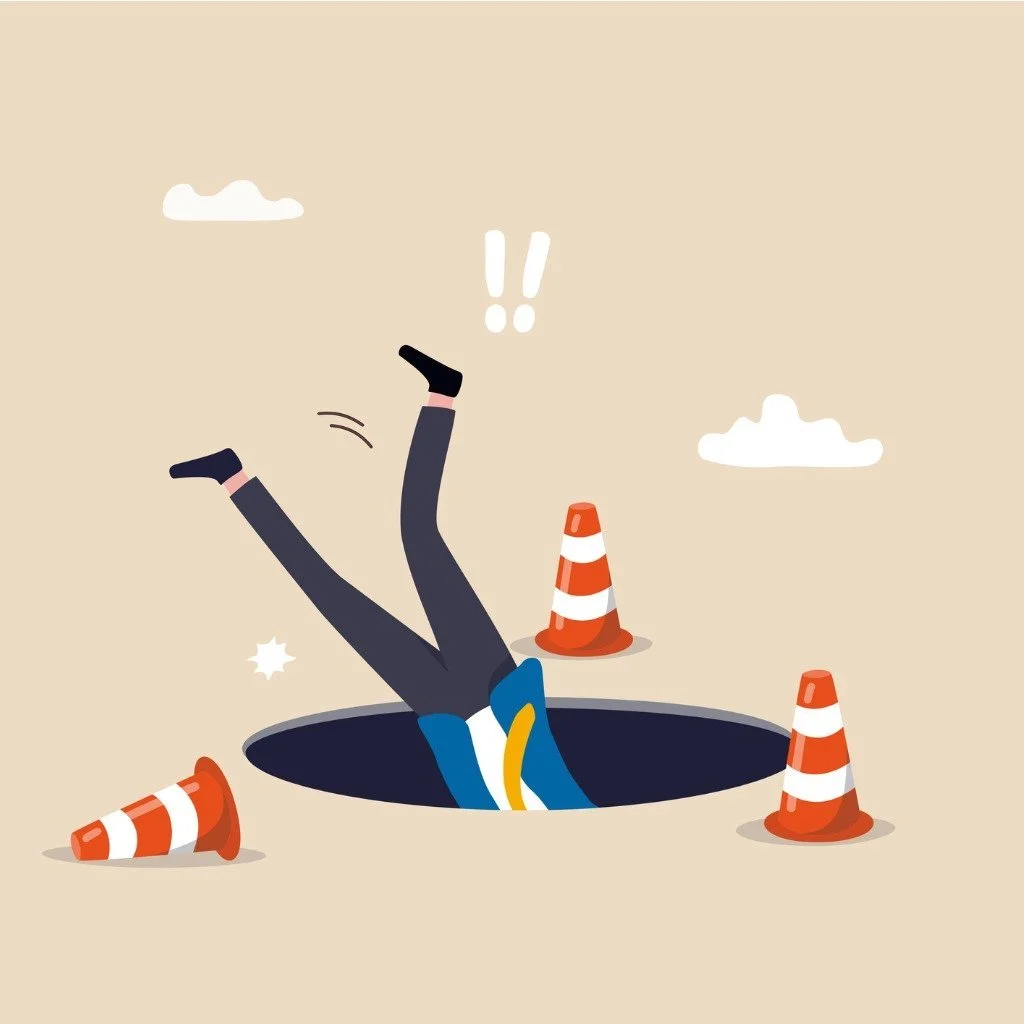
Nobody wants to make investment mistakes. And yet, we’re human; mistakes happen. Here’s how to minimize the ones that matter the most, and make the most of the ones that remain. Bad Decisions vs. Bad Outcomes First, let’s define what we’re talking about: Investment mistakes happen when you make bad decisions, regardless of whether the outcome is good or bad. Bad decisions are the ones a rational investor would not make.